Commercial building managers throughout Central Illinois often overlook subtle roof damage indicators that signal serious structural problems developing silently above occupied spaces. While missing shingles or obvious leaks demand immediate attention, hidden damage from wind, hail, and thermal cycling frequently escapes detection until secondary failures cause interior damage, operational disruptions, or complete system collapse. Understanding these warning signs of common commercial roof problems enables property managers to schedule professional assessments before minor issues escalate into six-figure emergency replacements that could have been prevented through timely intervention.
The challenge facing Peoria and Bloomington facility managers stems from commercial roofs’ scale and complexity compared to residential systems. Flat and low-slope assemblies dominating commercial construction use membrane systems, built-up roofing, or modified bitumen that behave differently than residential shingles under stress. Storm impacts create localized failures invisible from ground level, while water infiltration follows unexpected paths through insulation layers and structural decking before manifesting as ceiling stains or equipment damage alerting building occupants to problems overhead.
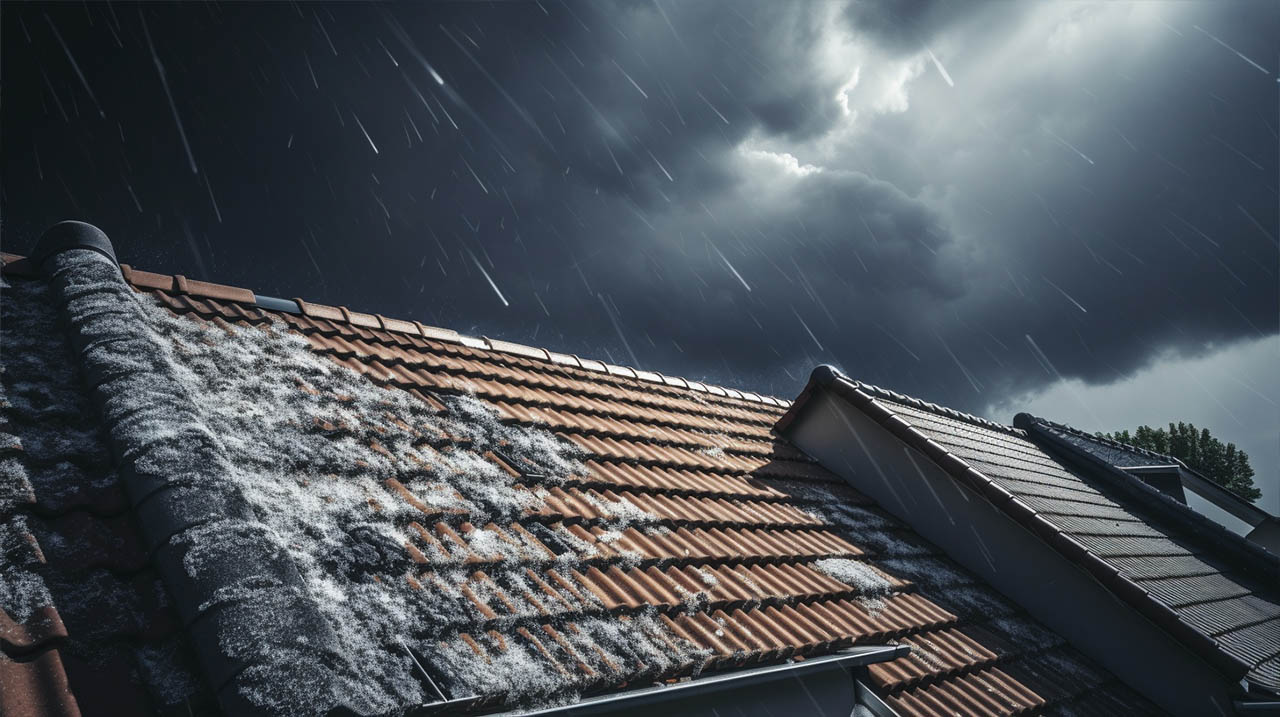
Central Illinois occupies a severe weather corridor where warm Gulf air collides with Rocky Mountain cold fronts, generating destructive thunderstorms, hail, and periodic tornado activity. The United States roofing market faces sustained pressure from climate-driven storm repairs, with roof-related insurance claims exceeding $30 billion in 2024 as convective storms produced $57 billion in property damage. Texas, Colorado, and adjacent tornado alley states account for rising shares of catastrophic events, yet Illinois consistently experiences damaging wind and hail that accelerates commercial roof deterioration beyond normal lifecycle expectations.
Sign 1: Membrane Blistering, Bubbling, or Surface Irregularities
Single-ply membrane roofing systems including TPO, EPDM, and PVC develop characteristic damage patterns following storm events that property managers often mistake for cosmetic imperfections. Blistering occurs when moisture trapped beneath membrane layers expands during hot weather, creating raised bubbles that compromise waterproof integrity. Hail impacts puncture membrane surfaces or damage underlying insulation, allowing water infiltration that manifests as blisters weeks after storm passage once temperatures rise sufficiently to vaporize trapped moisture.
Walk commercial roof surfaces after major weather events, examining membrane systems for irregular surface textures indicating subsurface problems. Small blisters measuring inches across may seem insignificant but indicate compromised adhesion between membrane and substrate layers. These defects propagate during subsequent freeze-thaw cycles as water penetrates damaged areas, freezes, expands, and further separates bonded layers. What begins as minor surface irregularity progresses to wholesale membrane separation requiring complete system replacement rather than localized repairs.
Pay particular attention to seam integrity where membrane sheets join through heat welding or adhesive bonding. Storm winds create uplift forces that stress seams beyond design parameters, causing partial separation invisible during casual observation but sufficient to allow wind-driven rain penetration during subsequent weather events. Professional inspectors test seam strength using specialized tools that identify compromised connections before they fail catastrophically during the next severe storm.
Understanding common commercial roof problems effect Roofing Industry Faces $31.4 Billion Crisis as Labor Shortages and Storm Damage Reshape Central Illinois Markets provides context for why identifying hidden damage early becomes critical as contractor availability tightens and project timelines extend beyond traditional scheduling expectations.
Sign 2: Ponding Water in Areas Previously Draining Properly
Commercial flat and low-slope roofs depend on subtle grading and drainage systems to prevent water accumulation that accelerates membrane deterioration and increases structural loads. Storm impacts can shift insulation layers, compress roofing materials, or damage drainage components, creating low spots where water ponds after rainfall. Any standing water remaining 48 hours after precipitation ceases indicates drainage problems requiring investigation and correction before chronic ponding destroys roofing materials through constant moisture exposure.
Inspect commercial roofs within two days following significant rainfall, documenting ponding locations with photographs showing water depth and coverage area. Compare current ponding patterns against previous observations or original construction drawings showing intended drainage paths. New ponding areas appearing after storms suggest structural damage, compressed insulation, or blocked drains caused by wind-blown debris. These drainage failures accelerate membrane aging through UV exposure to contaminated standing water and provide entry points for leaks once membrane surfaces degrade from prolonged moisture contact.
Blocked roof drains and scuppers create dangerous water accumulation that can exceed structural load capacities during heavy rainfall. Storm debris including leaves, branches, and windblown materials clog drainage openings, preventing proper water evacuation even from properly designed and constructed roof systems. Regular drain cleaning becomes critical after every major storm event, yet property managers frequently overlook this maintenance until interior leaks force emergency interventions. Establish systematic post-storm inspection protocols ensuring drainage components receive immediate attention before water accumulation causes progressive damage.
Sign 3: Displaced or Damaged Roof Penetrations and Flashing
Commercial roofs incorporate numerous penetrations for HVAC equipment, plumbing vents, electrical conduits, and structural elements that require specialized flashing details preventing water infiltration. Storm winds exert tremendous forces on these vulnerable transition points, loosening fasteners, tearing flashing materials, or shifting entire equipment assemblies. Damage around penetrations often escapes detection because affected areas remain concealed beneath equipment housings, pipe collars, or architectural features invisible during ground-level observations.
Schedule professional roof inspections specifically examining all penetration points following significant wind events. Inspectors evaluate flashing integrity, sealant condition, and fastener security around HVAC curbs, vent pipes, skylights, and equipment supports. Wind uplift can loosen fasteners without causing obvious visible damage, creating pathways for water infiltration that won’t manifest as interior leaks until multiple storms drive water through compromised details. Roofing industry surveys indicate that 61 percent of commercial contractors identify lack of qualified workers as their top challenge, making early detection crucial before minor flashing failures escalate into emergencies demanding immediate response from constrained contractor pools.
Pay particular attention to equipment curbs and supports subjected to vibration during operation. HVAC units experiencing storm damage may operate with compromised mounting systems that allow excessive movement, accelerating fatigue failures in flashing connections. These progressive failures remain invisible until catastrophic separation allows major water infiltration during the next significant storm. Thermal imaging surveys conducted by qualified inspectors identify moisture intrusion around penetrations before visible interior damage alerts facility occupants to developing problems overhead.
Sign 4: Interior Ceiling Stains, Discoloration, or Musty Odors
Water stains on interior ceilings represent late-stage warnings that roof damage has existed long enough for moisture to penetrate exterior roofing layers, saturate insulation, migrate through structural decking, and reach interior finish materials. By the time ceiling stains appear, exterior roof damage typically requires extensive repairs addressing not only visible problems but also hidden deterioration throughout affected assemblies. Facility managers must treat any interior moisture evidence as urgent situations demanding immediate professional assessment preventing additional damage.
Conduct regular interior ceiling inspections throughout commercial facilities, particularly in areas beneath known roof vulnerabilities including valleys, transitions, and equipment penetration clusters. Fresh water stains appear darker with well-defined edges, while older staining shows faded coloring and may include visible mold growth or peeling paint. Don’t dismiss small stains as minor issues—even quarter-sized ceiling spots indicate roof breaches allowing significant water infiltration that worsens without repairs. Photograph all interior water damage immediately from multiple angles capturing both wide shots showing room context and close-ups of specific damage areas supporting insurance claims and contractor assessments.
Monitor facilities for musty or moldy odors indicating hidden moisture accumulation within ceiling cavities or wall assemblies. Mold grows rapidly in dark, damp environments above ceiling tiles where visual inspections can’t detect developing problems. Advanced moisture can compromise indoor air quality, create health hazards for building occupants, and generate liability exposures for property owners who failed to address known water infiltration. Thermal imaging and moisture detection equipment used by qualified inspectors identifies wet insulation and structural materials before mold colonies establish themselves throughout affected areas.
Understanding how Energy-Efficient Commercial Roofing Solutions Slash Central Illinois Operating Costs helps property managers evaluate whether discovered damage creates opportunities for system upgrades delivering improved performance alongside necessary repairs.
Sign 5: Sudden Increases in Energy Costs Following Storms
Unexplained spikes in heating or cooling expenses following severe weather may indicate compromised building envelope allowing conditioned air loss and outdoor air infiltration through damaged roof assemblies. Storm impacts can create gaps in roofing systems, compress or displace insulation, or damage vapor barriers that aren’t immediately visible but significantly affect facility energy consumption. Compare utility bills from comparable periods before and after storm events, accounting for weather severity differences between billing cycles.
Energy cost increases exceeding 15 to 20 percent following storms warrant investigation even without visible roof damage. Wind uplift can separate roof membrane from insulation layers without creating obvious surface defects, allowing air infiltration through concealed gaps. Hail impacts compress insulation materials reducing their thermal resistance values, forcing HVAC systems to work harder maintaining comfortable interior temperatures. These efficiency losses represent ongoing operational cost penalties that accumulate substantially over time while indicating roof damage requiring repairs.
Schedule professional energy audits if sustained efficiency losses appear after storm events. Many utility companies offer subsidized audits identifying air leakage sources and insulation deficiencies through blower door testing and thermal imaging surveys. These comprehensive assessments often reveal storm damage that escaped detection during visual roof inspections, providing additional documentation supporting insurance claims for necessary repairs. The audits additionally identify opportunities for system upgrades improving energy performance beyond pre-storm baseline conditions, potentially qualifying for utility rebates and federal tax credits offsetting repair investments.
A&B Construction & Restoration: Your Commercial Roofing Partner
At A&B Construction & Restoration, we’ve served Central Illinois commercial property owners for over 10 years with comprehensive roof inspection and repair services. Founded by Robert Osborne, who brings over 30 years of industry experience, our team understands how to identify hidden storm damage before it escalates into operational disruptions and expensive emergency repairs.
Our Services Include:
- Commercial Roofing – Professional storm damage assessment, repair, and complete roof replacement serving Peoria and Bloomington commercial facilities
Ready to Protect Your Investment? Contact A&B Construction & Restoration to schedule your comprehensive commercial roof inspection and discover hidden damage before it compromises your facility operations.
Works Cited
“2025 State of the Roofing Industry Report.” Roofing Contractor, 5 Feb. 2025, www.roofingcontractor.com/articles/100416-2025-state-of-the-roofing-industry-report. Accessed 18 Nov. 2025.
“United States Roofing Market Size & Share Analysis – Industry Research Report – Growth Trends.” Mordor Intelligence, www.mordorintelligence.com/industry-reports/united-states-roofing-market. Accessed 18 Nov. 2025.
Related Articles

