The sound of hail hammering against your roof. The crack of tree branches in high winds. The aftermath of a severe thunderstorm that leaves your home vulnerable to water damage and structural compromise. For Central Illinois homeowners in Peoria, Bloomington, and surrounding communities, these scenarios aren’t hypothetical—they’re an annual reality that demands immediate attention and expert restoration services.
Central Illinois occupies a unique position in what meteorologists call the severe weather corridor. The region experiences the collision of warm, moist air from the Gulf of Mexico with cold fronts moving east from the Rocky Mountains, creating ideal conditions for destructive storms. According to the Illinois Emergency Management Agency, the past 49 years have produced more than 11,000 reports of severe thunderstorm damage across the state, with approximately 7,000 wind events and 4,000 hail incidents. Illinois has never seen a year pass without experiencing severe storm activity, and the state ranks fourth nationally for thunderstorm-related catastrophes.
When storm damage strikes your home, the clock starts ticking. Every hour of delay increases the risk of secondary damage from water infiltration, structural deterioration, and mold growth. Understanding how to assess damage, navigate insurance claims, and select qualified contractors can mean the difference between a smooth recovery and months of frustration and escalating costs.
Understanding Storm Damage Types in Central Illinois
Central Illinois homes face multiple storm-related threats throughout the year, each causing distinct types of damage that require different restoration approaches. Wind damage from severe thunderstorms and tornadoes can lift shingles, tear off sections of roofing, damage siding, and break windows. The Illinois Emergency Management Agency notes that thunderstorm winds actually cause more cumulative damage year-over-year than tornadoes, despite receiving less attention. In 1993 alone, 38 wind events caused a minimum of five million dollars in damage, while 34 tornadoes caused just over one and a half million dollars.
Hail represents another significant threat, particularly during spring and early summer months. Hailstones can bruise or crack asphalt shingles, dent metal roofing and flashing, damage vinyl siding, and shatter windows. The impact creates vulnerabilities that may not cause immediate leaks but compromise your roof’s protective barrier, leading to premature failure and water infiltration during subsequent storms. Insurance industry data shows that wind and hail damage accounts for nearly half of all homeowner insurance claims, with average repair costs exceeding thirteen thousand dollars.
Ice and winter weather create unique challenges for Central Illinois homes. Ice dams form when heat escaping through inadequate attic insulation melts snow on your roof. The water refreezes at the eaves, creating ice barriers that force meltwater under shingles and into your home. Winter storms can also cause gutters to separate from fascia boards and create stress on roof structures from heavy snow accumulation.
Identifying the specific type and extent of storm damage requires professional assessment. Many homeowners miss subtle signs that indicate serious underlying problems, which is why understanding 5 Signs Your Central Illinois Home Has Hidden Storm Damage becomes critical for protecting your investment and ensuring complete restoration.
The First 48 Hours: Immediate Actions After Storm Damage
The first two days following storm damage are critical for minimizing secondary damage and positioning yourself for successful insurance claims. Your immediate priority is safety—never inspect roof damage yourself or enter areas with structural compromise, standing water, or downed power lines. Once authorities confirm it’s safe, document everything with photographs and video from multiple angles, capturing both wide shots showing context and close-ups of specific damage.
Contact your insurance company within 24 hours to report the damage and initiate your claim. Most policies require prompt notification, and delays can complicate your claim process. Ask your insurer about emergency repairs—most policies allow temporary measures to prevent further damage, such as tarping damaged roofs or boarding broken windows. Keep all receipts for emergency repairs and temporary housing if your home becomes uninhabitable.
Create a detailed inventory of damaged property, including furniture, electronics, and personal belongings affected by water infiltration or structural damage. The Federal Emergency Management Agency has provided over 180 million dollars in assistance to Illinois homeowners affected by severe storms, with programs specifically designed to help with uninsured and underinsured losses. Following the July 2024 severe storms, FEMA distributed more than 101 million dollars in housing assistance and 78 million dollars in other needs assistance to affected Central Illinois residents.
If you’re unsure about navigating insurance requirements and documentation, learning How to Navigate Your Insurance Claim After Storm Damage in Peoria-Bloomington can help you avoid common pitfalls that delay settlements or reduce payouts.
Roof Damage Assessment and Restoration
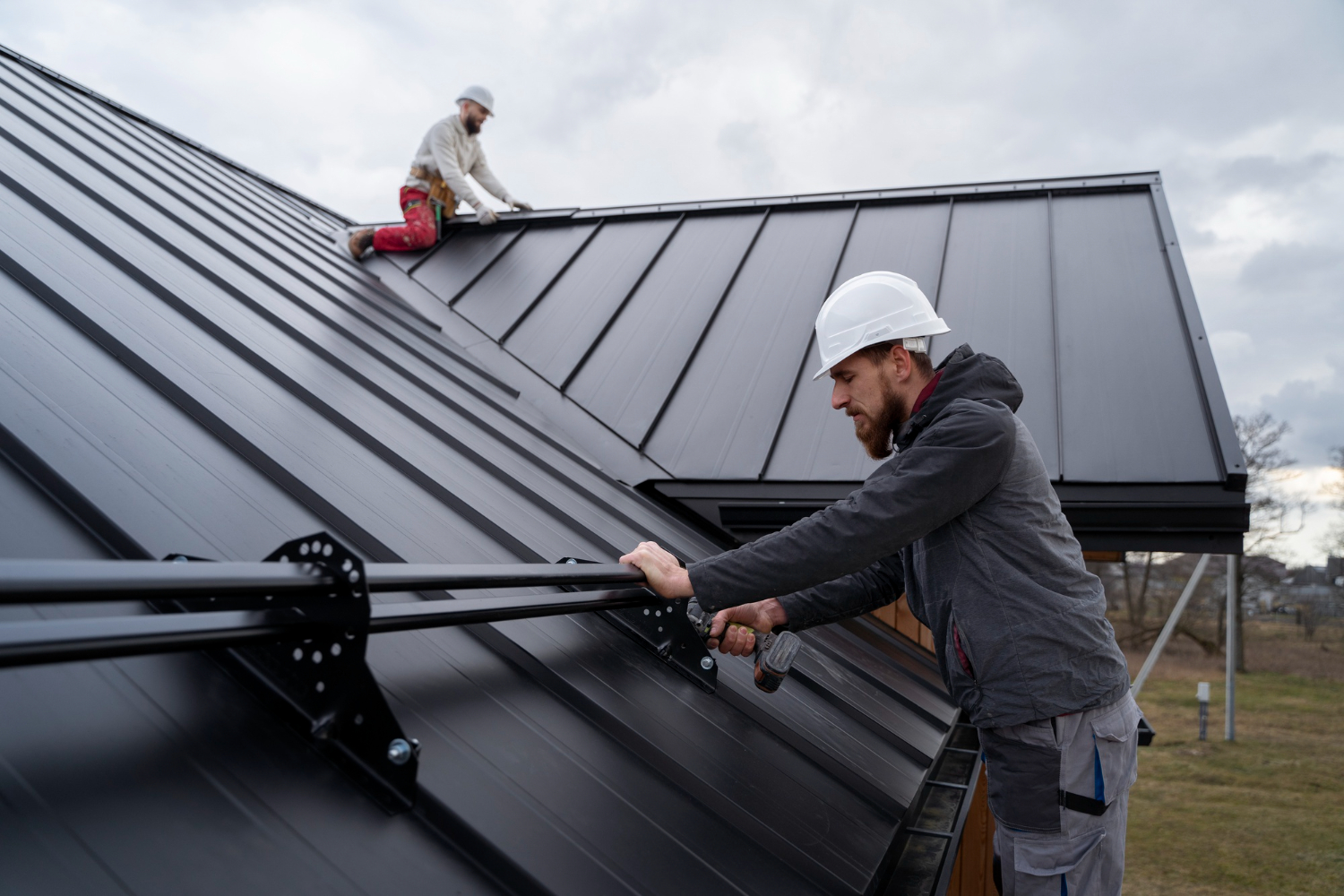
Your roof represents your home’s primary defense against the elements, making roof damage assessment your highest priority after storm events. Professional inspectors examine shingles for bruising, cracking, granule loss, and missing sections. They check flashing around chimneys, vents, and skylights for separation or damage. They inspect underlayment exposure, examine fascia and soffit for rot or separation, and assess the overall structural integrity of decking and support systems.
Wind damage often appears as lifted shingle tabs, torn or missing shingles concentrated on roof edges and corners, and damaged ridge caps. High winds can also drive rain under shingles, causing water damage that won’t become apparent until interior ceiling stains appear weeks later. Hail damage manifests as random patterns of dents or bruises across the roof surface, with damage severity varying based on hailstone size and roof material composition.
Professional restoration involves more than simply replacing damaged shingles. Contractors must match existing materials to maintain aesthetic consistency and warranty coverage. They must properly install underlayment to prevent future leaks, ensure adequate ventilation to prevent premature shingle failure, and integrate new sections seamlessly with existing roof systems. Quality contractors also address underlying issues discovered during repairs, such as inadequate decking or compromised structural members.
The restoration timeline depends on damage extent and weather conditions. Minor repairs addressing isolated sections may take one to two days. Complete roof replacements typically require three to five days for average-sized homes, though complex roof designs or weather delays can extend timelines. Experienced contractors schedule work to minimize disruption and protect your home throughout the restoration process.
Siding Repair and Replacement Considerations
Storm damage to siding creates both aesthetic concerns and functional problems that compromise your home’s weather resistance and energy efficiency. Wind-driven debris can crack vinyl siding, dent aluminum panels, and split wood boards. Hail creates dimples and cracks across siding surfaces. Even seemingly minor damage allows moisture infiltration that can rot sheathing, promote mold growth, and damage interior walls.
Professional siding assessment examines the full exterior, not just obviously damaged areas. Contractors check for loose or missing panels, cracks and holes, water stains indicating infiltration behind siding, warping or buckling, and separation at corners and joints. They also inspect the moisture barrier and sheathing behind damaged sections, as underlying damage often exceeds visible surface problems.
Matching existing siding presents challenges, particularly for older homes where original materials may no longer be manufactured in identical colors or profiles. Experienced contractors maintain relationships with suppliers who can source discontinued materials or provide the closest possible matches. In cases where matching proves impossible, strategic replacement of entire wall sections maintains aesthetic consistency better than patching with mismatched materials.
Siding restoration timing varies based on material type and extent of damage. Vinyl siding repairs typically proceed quickly, with most projects completing within one to three days. Wood siding restoration takes longer due to preparation requirements and paint or stain application. Major replacement projects involving extensive damage or full-wall sections may require five to seven days, including time for moisture barrier replacement and proper substrate preparation.
Window and Door Damage Restoration
Windows and doors represent vulnerable points during severe weather events, and damage compromises both security and energy efficiency. Flying debris can crack or shatter glass, bend frames, and damage seals. High winds can blow out entire window units or force doors out of alignment. Even storms that don’t cause obvious damage may compromise window seals, leading to condensation between panes and reduced insulating value.
Storm damage assessment for windows examines glass for cracks, chips, or shattering; frames for warping, bending, or separation; seals for gaps or compression damage; and operating mechanisms for proper function. Door inspections check for frame alignment, weatherstripping integrity, and hardware operation. Professional contractors also assess surrounding trim and siding for damage that might compromise window and door installations.
Emergency repairs often involve temporary boarding or plastic sheeting to secure openings until permanent restoration can occur. Insurance companies typically approve emergency measures to prevent further damage and maintain home security. Permanent restoration may involve glass replacement in otherwise sound frames, complete window or door unit replacement when frames suffer damage, and frame repair and sealing for minor alignment issues.
Modern replacement windows offer opportunities to improve energy efficiency while restoring storm damage. Insurance settlements typically cover comparable replacement, but homeowners can upgrade to more efficient models by paying the cost difference. Energy-efficient windows reduce heating and cooling costs, improve comfort, and may qualify for tax credits or utility rebates that offset upgrade expenses.
Working with Insurance Companies and Adjusters
Successful insurance claims require understanding what your policy covers, how adjusters assess damage, and how to document losses effectively. Homeowner insurance typically covers sudden, accidental damage from storms, wind, hail, and falling objects. Policies generally exclude damage from neglected maintenance, gradual deterioration, and flooding—though separate flood insurance can cover water damage from rising water.
Insurance adjusters evaluate damage to determine claim amounts. They examine affected areas, estimate repair costs, compare your contractor’s estimates to their assessment, and apply policy terms including deductibles and coverage limits. Adjuster estimates sometimes fall short of actual restoration costs, particularly when hidden damage emerges during repairs. Reputable contractors document additional damage as it appears and work with adjusters to justify necessary repairs.
Your contractor should provide detailed written estimates breaking down materials, labor, and specific repairs needed. These estimates serve as negotiating tools when adjuster assessments undervalue necessary work. Avoid contractors who suggest inflating claims or hiding unrelated repairs within storm damage work—insurance fraud creates legal liability and can void your policy coverage.
Common claim denial reasons include maintenance-related damage claimed as storm damage, failure to document losses with photographs and records, missing claim filing deadlines, and damage from excluded causes like flooding. Understanding insurance requirements and documentation standards improves claim success rates significantly.
Choosing Qualified Restoration Contractors
Contractor selection proves critical for quality restoration and smooth insurance settlements. After major storms, out-of-state contractors often canvass damaged areas, offering immediate repairs at attractive prices. While some provide legitimate services, many lack proper licensing, use substandard materials, and disappear before completing work or addressing warranty issues. Local established contractors offer accountability, familiarity with regional building codes, and ongoing availability for warranty service.
Verify contractor credentials before signing contracts. Check for current Illinois contractor licenses, liability insurance covering property damage and injuries, workers’ compensation insurance protecting you from injury claims, and proper local permits demonstrating code compliance. Request and contact recent customer references, review Better Business Bureau ratings, and verify company longevity and local presence.
Quality contractors provide detailed written estimates, clear timelines with milestone dates, specifications for materials including brand names and grades, and warranty information covering both materials and workmanship. They explain insurance processes, communicate clearly throughout projects, and address concerns promptly. Be wary of contractors requesting large upfront payments, using high-pressure sales tactics, or offering unusually low bids that likely indicate substandard materials or shortcuts.
Professional contractors handle permit applications, coordinate inspections with local building departments, manage material deliveries and scheduling, protect your property during work, and ensure thorough cleanup upon completion. They maintain communication with your insurance company and document all work for your claim file.
A&B Construction & Restoration: Your Storm Damage Restoration Partner
At A&B Construction & Restoration, we’ve served Central Illinois homeowners for over 10 years with the highest quality roofing, siding, and window restoration services. Founded by Robert Osborne, who brings over 30 years of industry experience, our team understands the unique challenges Central Illinois weather creates for homes throughout Peoria, Bloomington, and surrounding communities.
Our Services Include:
- Roofing Services – Complete roof repair, replacement, and emergency storm damage restoration
- Siding Installation and Repair – Professional siding restoration using quality materials and expert craftsmanship
We handle insurance companies directly, eliminating hassles and ensuring you receive fair settlements for your storm damage claims. Our skilled team cleans worksites after project completion, respecting your property and maintaining professional standards throughout every restoration.
Ready to Restore Your Home? Contact A&B Construction & Restoration today to schedule your free storm damage assessment and learn how we can help you recover quickly and completely from Central Illinois severe weather.
Works Cited
“Hazard Information.” Illinois Emergency Management Agency, State of Illinois, iemaohs.illinois.gov/recovery/mitigation/hazardinfo.html. Accessed 25 Oct. 2025.
“Illinois Severe Storms, Tornadoes, Straight-line Winds, and Flooding.” FEMA, U.S. Department of Homeland Security, www.fema.gov/disaster/4819. Accessed 25 Oct. 2025.
Related Articles
- How to Navigate Your Insurance Claim After Storm Damage in Peoria-Bloomington
- 5 Signs Your Central Illinois Home Has Hidden Storm Damage


