
Energu Energy costs continue rising while Central Illinois homeowners face temperature extremes requiring effective home insulation and efficiency improvements. Professional insulation upgrades and comprehensive energy efficiency measures reduce utility expenses, improve comfort, and increase property value through proven technologies and installation methods.
A&B Construction and Restoration provides comprehensive construction services including insulation upgrades and energy efficiency improvements designed to optimize home performance and reduce energy consumption. Our expertise helps Central Illinois homeowners achieve maximum comfort and savings.
Understanding Home Energy Loss and Efficiency Opportunities
Heat transfer occurs through conduction, convection, and radiation requiring different insulation strategies and materials. Understanding heat transfer mechanisms enables targeted improvements for maximum energy savings.
Air leakage represents the largest energy loss source in most homes through gaps around windows, doors, and penetrations. Professional air sealing provides immediate comfort improvements and energy savings.
Thermal bridging creates heat transfer pathways through structural components bypassing insulation systems. Identifying and addressing thermal bridges significantly improves overall thermal performance.
Moisture management prevents insulation damage and maintains thermal performance through proper vapor barriers and ventilation systems. Moisture control protects both insulation effectiveness and indoor air quality.
Attic Insulation Strategies and Installation Techniques
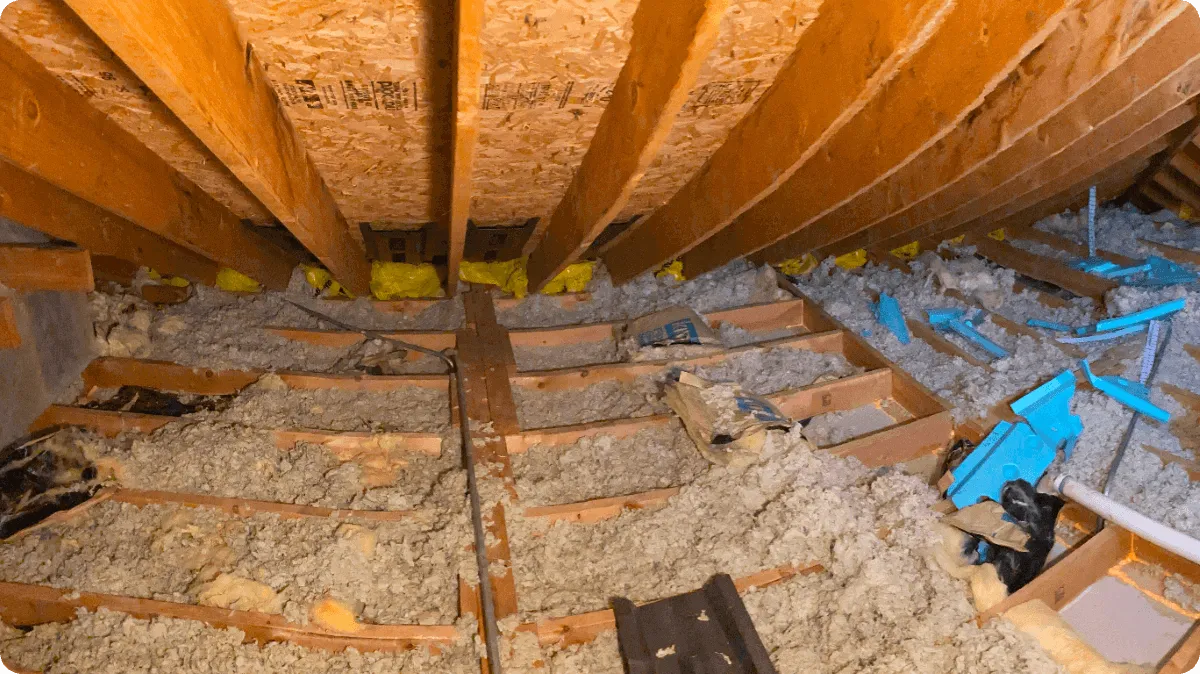
Blown-in insulation provides comprehensive coverage including irregular spaces and around obstructions using cellulose or fiberglass materials. Professional installation ensures proper depth and coverage for optimal performance.
Batt insulation offers precise placement and known R-values through manufactured fiberglass or mineral wool products. Proper installation techniques prevent gaps and compression maintaining rated performance.
Spray foam insulation creates air barriers while providing insulation through polyurethane expansion. Spray foam applications require professional installation and provide superior air sealing capabilities.
Radiant barriers reflect heat transfer reducing cooling loads through reflective materials installed facing air spaces. Radiant barriers work best in hot climates and complement traditional insulation systems.
Wall Insulation Retrofit Methods and Considerations
Blown-in wall insulation fills existing wall cavities through small holes drilled from exterior or interior surfaces. Professional installation ensures complete cavity filling without damage to existing finishes.
Exterior insulation systems provide continuous coverage eliminating thermal bridging through rigid foam or fiber board applications. Exterior insulation requires siding replacement but provides excellent thermal performance.
Interior insulation additions increase wall R-values through framing extension or rigid foam application. Interior approaches require finish work but avoid exterior disruption.
Injection foam systems fill wall cavities with expanding foam through small access holes. Professional injection requires specialized equipment and expertise for proper application.
Basement and Crawl Space Insulation Solutions
Foundation wall insulation improves comfort and prevents moisture problems through interior or exterior insulation applications. Proper foundation insulation requires moisture management and proper materials.
Rim joist insulation eliminates major thermal bridges where floor joists meet foundation walls. Rim joist areas often lack insulation creating significant energy loss points.
Crawl space encapsulation creates conditioned space preventing moisture problems and improving energy efficiency. Encapsulation includes vapor barriers, insulation, and air sealing for optimal performance.
Basement ceiling insulation separates conditioned space from unconditioned basements but requires careful moisture management. Ceiling insulation works best with heated basements to prevent freezing.
Air Sealing and Weatherization Techniques
Caulking and weatherstripping seal small gaps around windows, doors, and stationary components. Professional sealing uses appropriate materials and techniques for lasting performance.
Spray foam application seals larger gaps and irregular openings providing both air sealing and insulation. Professional spray foam work requires proper equipment and safety procedures.
Whole-house pressurization testing identifies air leakage locations using blower door equipment. Professional testing quantifies improvements and guides sealing priorities.
Duct sealing prevents conditioned air loss through ductwork leakage improving system efficiency and comfort. Professional duct sealing includes testing and specialized sealing materials.
HVAC System Optimization and Efficiency Improvements
Equipment sizing ensures proper heating and cooling capacity without oversizing that reduces efficiency. Professional load calculations determine optimal equipment size for specific homes.
System maintenance improves efficiency and extends equipment life through regular service and filter replacement. Preventive maintenance prevents breakdowns and maintains peak performance.
Programmable thermostats optimize energy usage through automatic temperature adjustments based on occupancy schedules. Smart thermostats provide remote control and learning capabilities.
Ductwork improvements including sealing and insulation improve system efficiency and comfort distribution. Professional ductwork evaluation identifies improvement opportunities.
Window and Door Energy Efficiency Enhancements
Weatherstripping replacement restores sealing around operable windows and doors preventing air leakage. Quality weatherstripping provides lasting sealing and smooth operation.
Storm windows provide additional insulation and weather protection while preserving existing windows. Storm windows offer cost-effective improvement for older window systems.
Window film applications reduce heat gain and glare while providing UV protection for interior furnishings. Professional film installation ensures proper application and appearance.
Door replacement provides improved thermal performance and security through energy-efficient units. Quality exterior doors include proper framing and installation for optimal performance.
Lighting and Electrical Efficiency Upgrades
LED lighting conversion reduces electricity consumption and heat generation while providing improved light quality. LED technology offers immediate savings and long service life.
Smart lighting controls optimize energy usage through occupancy sensors and dimming capabilities. Automated controls prevent unnecessary energy consumption.
Electrical load management reduces peak demand through smart controls and energy monitoring systems. Load management can reduce utility costs and improve system efficiency.
Power factor correction improves electrical efficiency in homes with large motor loads. Power factor improvements reduce electrical costs and improve system performance.
Water Heating Efficiency and Conservation Measures
Tank insulation reduces standby heat loss from water heaters improving efficiency and reducing energy costs. Professional insulation includes tank wrapping and pipe insulation.
Low-flow fixtures reduce hot water consumption without sacrificing performance through improved design and technology. Water conservation reduces both water and energy costs.
Hot water circulation systems provide instant hot water while reducing waste through pump and timer controls. Circulation systems improve convenience while conserving water and energy.
Home insulation upgrades that lower energy bills in Peoria provides specific guidance on insulation improvements that deliver immediate energy savings and improved comfort for Central Illinois homeowners.
Solar water heating systems provide renewable energy for water heating reducing conventional energy consumption. Solar systems offer long-term savings and environmental benefits.
Renewable Energy Integration and Solar Solutions
Solar photovoltaic systems generate electricity reducing grid consumption and providing energy independence. Solar installations require professional design and installation for optimal performance.
Geothermal heating systems provide highly efficient heating and cooling through ground source heat pumps. Geothermal systems offer excellent efficiency and low operating costs.
Wind power systems generate electricity in suitable locations with adequate wind resources. Small wind systems require proper siting and professional installation.
Energy storage systems provide backup power and load shifting capabilities optimizing renewable energy usage. Battery storage systems enhance energy independence and grid stability.
Cost Analysis and Return on Investment Calculations
Energy audit analysis identifies improvement priorities based on cost-effectiveness and energy savings potential. Professional audits provide roadmaps for optimal improvement sequencing.
Utility rebates and tax credits offset improvement costs through federal, state, and utility incentive programs. Incentive programs significantly improve project economics and payback periods.
Financing options enable homeowners to implement improvements through loans and payment programs. Energy efficiency financing often provides favorable terms and immediate savings.
Payback calculations demonstrate improvement value through energy savings over time. Professional analysis includes all costs and benefits for accurate financial evaluation.
Professional Installation and Quality Assurance Standards
Contractor certification ensures proper installation techniques and quality standards through manufacturer and industry training programs. Certified contractors provide quality assurance and warranty protection.
Installation standards establish requirements for materials, techniques, and performance ensuring optimal results. Professional installation prevents problems and maintains manufacturer warranties.
Quality control procedures verify installation quality and performance through testing and inspection. Comprehensive quality control ensures customer satisfaction and optimal performance.
Performance verification includes testing and monitoring ensuring improvements deliver expected results. Verification provides assurance of investment value and performance optimization.
Seasonal Optimization and Climate Considerations
Winter preparations optimize heating efficiency through system maintenance and weatherization improvements. Winter optimization includes heating system service and draft elimination.
Summer cooling efficiency requires proper insulation, air sealing, and equipment maintenance for optimal performance. Cooling efficiency improvements reduce peak energy consumption.
Humidity control maintains comfort and prevents moisture problems through proper ventilation and dehumidification. Humidity management improves comfort and prevents building problems.
Seasonal maintenance schedules ensure optimal performance year-round through systematic care and adjustment. Regular maintenance prevents problems and maintains efficiency gains.
Building Science and Performance Monitoring
Thermal imaging identifies insulation gaps and thermal bridges using infrared cameras. Thermal analysis guides improvement priorities and verifies installation quality.
Indoor air quality monitoring ensures efficiency improvements don’t compromise health through proper ventilation and pollutant control. Air quality management balances efficiency with health.
Energy monitoring systems track consumption and identify optimization opportunities through real-time data collection. Monitoring systems enable continuous improvement and problem identification.
Performance benchmarking compares home efficiency against standards and similar homes identifying additional improvement opportunities. Benchmarking provides context for efficiency levels.
Advanced Efficiency Technologies and Smart Home Integration
Smart home systems integrate energy management with convenience and security through automated controls and monitoring. Smart technology optimizes energy usage and improves comfort.
Heat recovery ventilation provides fresh air while recovering energy from exhaust air. HRV systems maintain air quality while preserving energy efficiency.
Variable speed equipment adjusts capacity to match loads improving efficiency and comfort through precise control. Variable speed technology provides superior performance and efficiency.
Building automation systems coordinate all building systems for optimal performance and efficiency. Automation provides comprehensive optimization and remote management capabilities.
Maintenance and Ongoing Optimization Strategies
Regular inspection schedules identify efficiency degradation and maintenance needs preventing performance loss. Systematic inspection maintains efficiency gains over time.
System tuning optimizes equipment performance through adjustment and calibration maintaining peak efficiency. Regular tuning prevents efficiency degradation and extends equipment life.
Upgrade planning identifies future improvement opportunities as technology advances and equipment ages. Strategic planning maximizes long-term efficiency and value.
The importance of regular maintenance for your homes exterior explains how preventive maintenance preserves efficiency improvements and prevents energy loss through building envelope degradation.
Performance tracking monitors long-term efficiency trends identifying additional optimization opportunities. Continuous monitoring enables ongoing improvement and problem prevention.
Ready to optimize your home’s energy efficiency and reduce utility costs? Contact A&B Construction and Restoration today to schedule an energy assessment and begin your journey toward maximum comfort and savings.
Professional Resources and Energy Standards
The Department of Energy provides comprehensive energy efficiency resources and guidelines that help homeowners understand improvement opportunities and implementation strategies. Their programs include rebates, technical guidance, and performance standards supporting residential energy efficiency improvements across diverse climate conditions.
The Environmental Protection Agency offers energy efficiency certification programs and environmental guidance that promote sustainable home improvements and reduced environmental impact. Their ENERGY STAR programs provide performance standards and product certification supporting informed consumer decisions and environmental protection.
Frequently Asked Questions
What home insulation improvements provide the best return on investment in Central Illinois? Attic insulation upgrades typically provide the highest return with payback periods of 2-4 years through reduced heating and cooling costs. Air sealing around windows, doors, and penetrations offers immediate comfort improvements and energy savings. Basement rim joist insulation eliminates major thermal bridges at relatively low cost. Duct sealing in unconditioned spaces prevents significant energy losses and improves comfort. Professional energy audit helps identify specific improvement priorities for your home’s unique characteristics and current efficiency level.
How much can I expect to save on energy bills with comprehensive efficiency improvements? Comprehensive efficiency improvements typically reduce energy consumption by 20-40% depending on current efficiency levels and improvement scope. Heating and cooling costs often decrease by 15-30% through insulation and air sealing improvements. Lighting efficiency upgrades can reduce electrical consumption by 50-75% in affected areas. Water heating efficiency improvements typically provide 10-20% savings on water heating costs. Actual savings depend on current efficiency levels, improvement quality, and usage patterns requiring professional analysis for accurate projections.
What financing options are available for energy efficiency improvements? Many utilities offer rebates and low-interest financing programs for energy efficiency improvements making upgrades more affordable. Federal tax credits provide substantial savings for qualifying improvements including insulation, windows, and HVAC equipment. Home equity loans or lines of credit often provide favorable rates for efficiency improvements that increase property value. Some contractors offer financing programs with competitive terms and flexible payment options. Energy savings often offset financing costs providing positive cash flow from day one making improvements financially attractive.
How do I prioritize multiple energy efficiency improvements with a limited budget? Professional energy audit identifies improvement priorities based on cost-effectiveness and energy savings potential providing roadmap for optimal sequencing. Air sealing typically provides immediate savings at low cost making it highest priority for most homes. Attic insulation improvements offer excellent return on investment and should be early priorities. HVAC maintenance and optimization provide immediate benefits at relatively low cost. Lighting efficiency upgrades offer quick payback and should be implemented early in improvement process.
What should I expect during a professional energy efficiency assessment? Comprehensive assessment includes blower door testing to measure air leakage and identify sealing priorities. Thermal imaging identifies insulation gaps and thermal bridges not visible during standard inspection. Equipment evaluation includes heating, cooling, and water heating system efficiency assessment. Insulation levels and condition assessment throughout the home including attic, walls, and basement areas. Detailed report includes improvement recommendations prioritized by cost-effectiveness and energy savings potential with estimated costs and savings for each improvement.
